 Local Shutter Installers
Heat · Long note
Stopping a south-facing glass extension from overheating
Updated
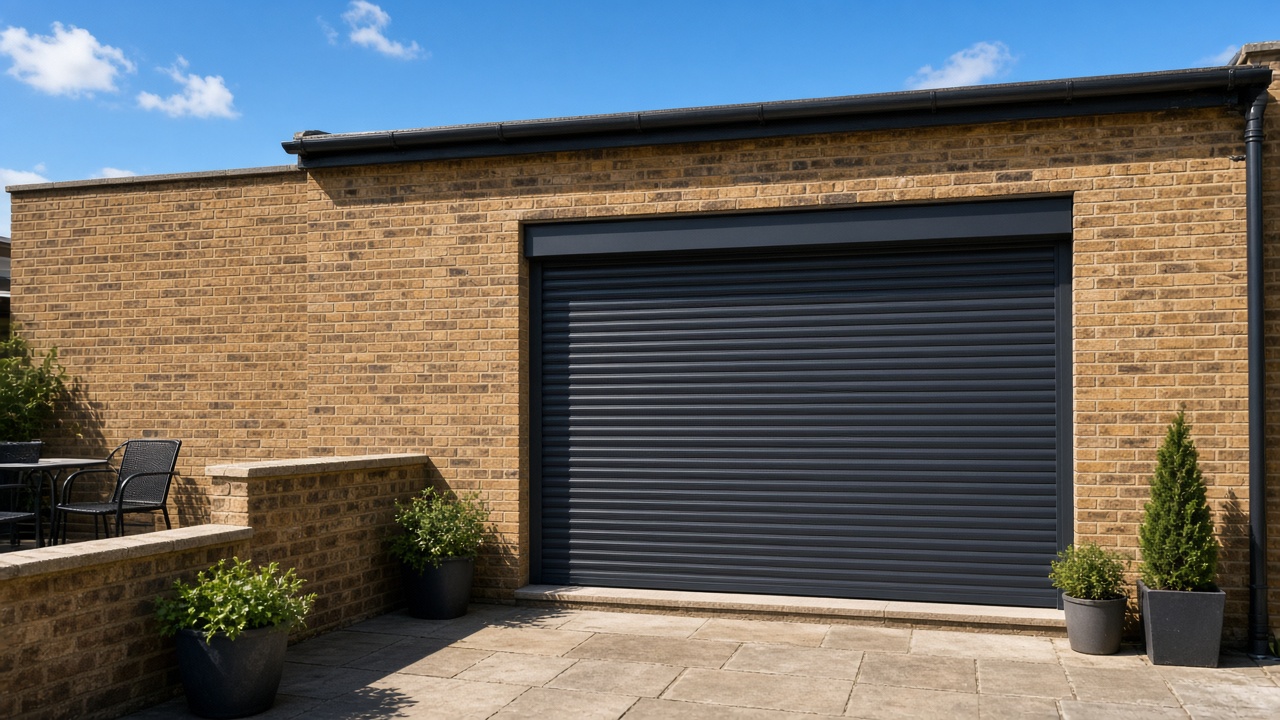
A south-facing kitchen extension overheats because the glass lets solar energy in faster than the room can lose it. The fix that matches the physics is shade on the outside of the hot panes, used before the room has already stored the day. A bigger fan, or a blind behind the glass, is a later and weaker move.
What the extension is doing at 2pm
Clear double glazing commonly lets through something like two thirds of the solar energy that hits it. A 4 metre bifold, 2.3 metres high, is a large collector pointed at the sun for hours. The frame, the floor and the plaster then hold that heat, which is why the room is still unpleasant at 8pm when the sun has moved on. You are not imagining it, and you are not failing to 'use the doors properly'.
Roof lanterns make it worse because they see the high sun that a vertical door only sees in part. A shutter, a screen or a film on the doors leaves the lantern untouched. If the lantern is the pane you feel on your head at the table, that is the opening to price. Many quotes never mention it, because the fitter came to sell a door shutter.
Why the blind on the inside is late
Once the energy has passed the glass, a share of it is absorbed by the blind and re-radiated into the room. Good reflective blinds are better than dark fabric and still are not an external shutter. This is the difference European shading guidance is blunt about. If you already have internal blinds, keep them for glare in the evening. Do not add a second internal product and expect a different season.
Solar-control glass lowers the gain all year, including in March when you wanted the sun, and it does not give you blackout or a lockable skin. It is worth discussing when the units are being replaced anyway. On glass that is only a few years old, shade is usually the smaller intervention.
A routine, not a gadget
Shade the glass that is about to be in sun, while the outside air is still the cooler place to be. On a south wall that can mean late morning. Ventilate from a shaded side or overnight, not by opening the bifold at 3pm and inviting the hot air in. Close up again only if the outside is hotter than the room, which on a heatwave afternoon it often is.
A motor and a timer are how this happens on a Tuesday when nobody is thinking about architecture. A manual shutter that lives in the box will be up on the worst day. The product is the habit as much as the aluminium.
Which external product
A solid roller shutter is the strong version: most of the solar gain stopped, a dark room, a night cover, a harder door. A zip screen or an external venetian is the version that keeps the garden in view and still rejects a lot of sun. Households split on this. Write down whether lunch in that room has to include the view. If it does, do not buy a solid curtain you will raise at noon, because then you have bought a box.
Wind on a rear elevation decides whether a screen can stay down. Exposed plots should hear the retraction rule before they choose fabric. A roller that is specified for the exposure can stay closed. A venetian that must park in the cassette whenever it breezes is a poor fit for a house that is empty all day.
Air conditioning is the other invoice
A split air conditioner will pull the temperature down after the heat is in the room, and it will use electricity whenever it runs. It does not secure the door and it does not help in January. On a badly glazed extension it is sometimes still wanted for the hours you insist on having the glass clear. Shade first usually means a smaller cooling load. Cooling first, with the sun pouring in, is how the machine runs all afternoon.
If you are comparing a shutter quote with an air-conditioning quote, you are comparing different jobs. Put the lantern, the door and the hours of use on both. A cassette on an internal wall does not answer the question of what the glass is doing.
What I would measure before talking brands
Width and height of each glazed opening, the headroom for a box, the track and handle projection, the lantern size, and which way is south in the real garden rather than on the plan. Note trees that shade the wall at 4pm and not at noon. Note whether the rear is a wind tunnel between houses.
Then decide the priority in one sentence: dark and secure, or bright and cooler. The sentence picks the product. The brand comes after a fitter can show the same detail on a house you can walk to, or at least on a recent job with a straight answer about planning.
A July afternoon, timed
If the glass faces south, the gain is already serious by late morning and it keeps going. Closing a shutter at 4pm, once the floor is hot, traps a room that has already stored the day. The useful close is earlier, and the useful open is in the evening when the outside air has dropped, or from a side window that is not a sun collector. A motor with a clock is not a luxury on this elevation. It is how Tuesday gets the same treatment as the day you read an article.
West-facing extensions shift the clock toward the school run and cooking. East-facing glass is a morning problem and a fine afternoon. Do not copy a south routine onto a west door and then decide shutters 'do not work' because the room baked while the curtain was still up.
Ventilation that does not undo the shade
Opening the bifold at the hottest hour because the room feels stuffy invites the outside air in, and on a heatwave that air is not a relief. Shade the sunlit glass and steal air from a cooler side of the house, or wait until night. Trickle vents and a locked door can be enough for background air if the shutter has not blocked them. Say where the vents are during the survey.
A ceiling fan or a split air conditioner can still have a job for the hours you insist on an open view. They should be fighting a shaded room, not a greenhouse. If the quote for cooling assumes the bifold stays bare, it is oversized relative to a house that actually uses the shutter.
The lantern, again, because it gets missed
Stand under the lantern at noon with the doors shaded, if you already have a way to shade them, or imagine the doors covered and look up. If your scalp is in the sun, the wall shutter will be blamed for a failure that belongs to the roof. Put the lantern on the brief as its own line: a roof product, a glass change, or an admission that it stays.
Many extension layouts put the table under the lantern and the doors to one side. People then buy the door shutter because it is the thing they know how to order. The discomfort stays above the table. A good surveyor notices where you actually sit.
A measured afternoon, using Bristol as the stand-in
Stopping a south-facing glass extension from overheating needs a house, so this pass uses a rear wall in Bristol. A south-west rear roof can cook a lantern kitchen by 3pm. The same postcode can have a north-facing terrace that does not need the same kit. The opening in the example is 2.4 m by 2.35 m. Nobody should order from that example. It exists so the watts and the pounds have somewhere to sit.
The survey starts at the sill, not at the brochure. Handles, tracks and the headroom under the soffit decide whether a cassette even fits. Steep streets and limited van parking should be priced before the deposit. If the reveal is out of square, the manufacturing width is the tight one, with clearance, not the average of three careless readings.
Watts, then pounds
The worked opening for Stopping a south-facing glass extension from overheating is 2.4 m wide by 2.35 m high, 5.64 square metres of glass. This figure puts 595 watts per square metre on the pane and uses a g-value of 0.76, about 2550 watts into the room if the curtain is up. An opaque external shutter, taken as stopping 90 percent of that gain while it is fully down, leaves about 255 watts and keeps about 2295 watts out. That is a noon figure for comparison. An internal blind does not get the same reduction. For Stopping a south-facing glass extension from overheating, use the noon figure to compare two openings on the same house, then let a measured survey replace the figure.
Fitted illustration for Stopping a south-facing glass extension from overheating in Bristol: £3,565 at September 2026 prices, for this 2.4 by 2.35 m opening with a solar motor. The figure allows a front-mounted aluminium curtain and ordinary fixing. It does not include scaffold, a rebuilt soffit, planning drawings, or a new window. A second opening on the same visit usually costs less than the first, because the van is already there. Compare two quotes only when the slat, the box and the drive match.
Dusk on the same pane
Winter figure for Stopping a south-facing glass extension from overheating: glass at 2.6 W/m2K, 5.64 square metres, a 12 degree inside-outside gap and eight night hours. The bare pane is about 1.41 kWh a night on that crude sum. A closed shutter cutting about 30 percent of the flow leaves 0.99 kWh and saves about 0.42 kWh a night, only while it is down. Open it when you want winter sun.
A milder winter does not retire the night-time air gap. It does make a dark box on Bath stone look harsher in photographs. For Stopping a south-facing glass extension from overheating, that is a reason to show the household the curtain coming down at dusk during handover, not only the summer close. A timer left on a July clock will be wrong after the clocks change. Someone has to own that five-minute job.
What would cancel the order
Stop Stopping a south-facing glass extension from overheating if the solar panel would sit in a soffit with no sky, and the quote has no wired alternative. A photograph is not a manufacturing size.
Conservation areas treat a visible box as a change of character. Rear plots tucked out of public view are the installs that more often proceed. Applied to Stopping a south-facing glass extension from overheating, the practical bias is to shade the rear glass that overheats and to leave a protected street front alone. A made-to-measure curtain is a bad thing to own if the next letter tells you to take it off.
What to do with this note
Stopping a south-facing glass extension from overheating is a long note because the decision is a pile of smaller ones: which pane, which side of the glass, which box the wall can carry, whether anyone may refuse the look, and whether you will actually lower the curtain. The 2.4 by 2.35 metre example, the solar motor, and the £3,565 illustration are there so those decisions have numbers attached. They are not an order form.
Take the openings that hurt into a survey. Leave the ones that do not. Ask the fitter to repeat the brief in a sentence you recognise. If they cannot, you are being sold a range rather than a remedy. Compare the next quote against the slat, the drive and the exclusions, not against a single bold total.
Keep the summer close and the dusk close as separate habits. Stopping a south-facing glass extension from overheating fails if the hardware is perfect and the curtain stays in the box. It also fails if you fit it on a front the council will make you remove. The successful version is smaller than a whole-house fantasy and more specific than an advert for German streets.
Questions worth asking the fitter
Will external shutters work if I still want the doors open?
They only stop the sun on the glass they cover. If the doors are open, you are outside, thermally speaking. Shade is for the hours the glass is shut and the sun is on it.
Is a roof lantern included?
Not by a wall shutter. Lanterns need their own shading or a different glass specification.
Can I just use a better blind?
A better internal blind is still inside. It can cut glare. It will not match an external curtain on solar gain.